Style after 40 does not require a new rulebook. The most useful changes are usually practical: better proportions, intentional color, reliable basics, and clothes that work with your real routine.
These tips are designed to help an outfit feel more current and polished without asking you to dress younger, older, or like anyone else.
40 Style Tips for Women Over 40
1. Start With Fit
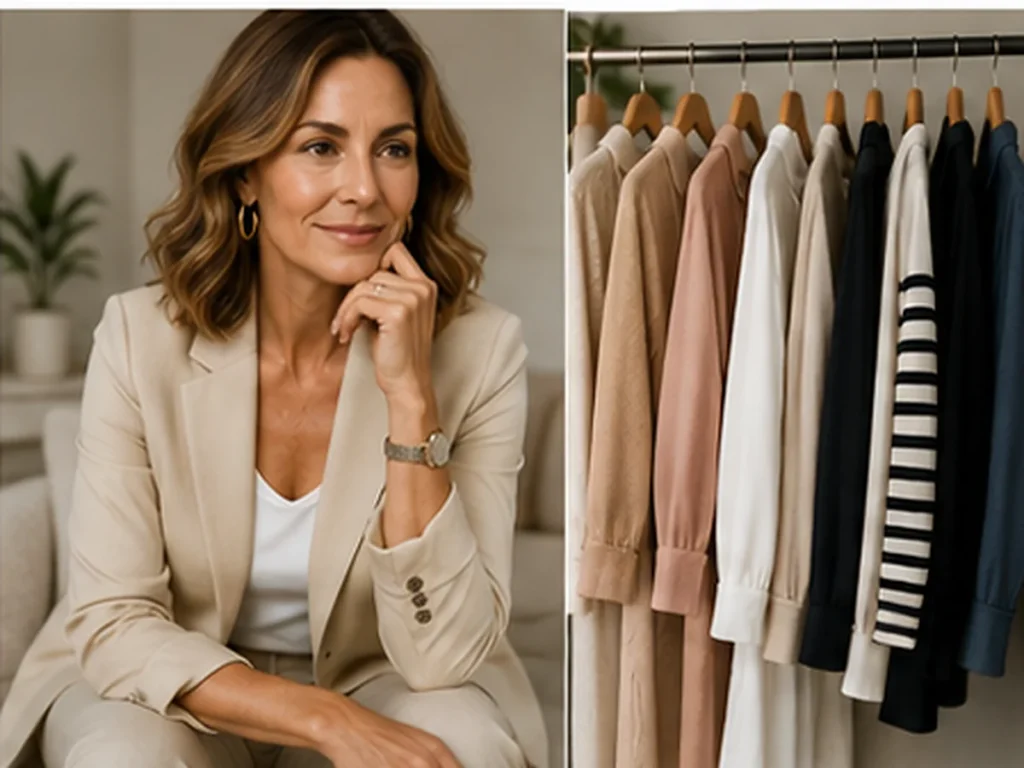
A simple outfit in clothes that fit well usually looks more polished than an expensive outfit with awkward proportions.
2. Define Your Best Trouser Rise
Try mid-rise and high-rise options with different tops to see which proportion feels most balanced on you.
3. Choose One Strong Layer
A structured blazer, trench, cropped jacket, or cardigan can give a simple base outfit a finished look.
4. Use Tonal Dressing
Wearing several shades from the same color family creates a cohesive outfit without requiring complicated styling.
5. Upgrade the White Shirt
Look for a white shirt with a shape you actually enjoy—relaxed, crisp, oversized, fitted, or softly draped.
6. Balance Volume
If one piece is very loose, try pairing it with something more defined so the outfit has a clear shape.
7. Try a Modern Straight-Leg Jean
A straight or relaxed-straight jean can be easier to style across flats, sneakers, loafers, and ankle boots.
8. Use Better Basics
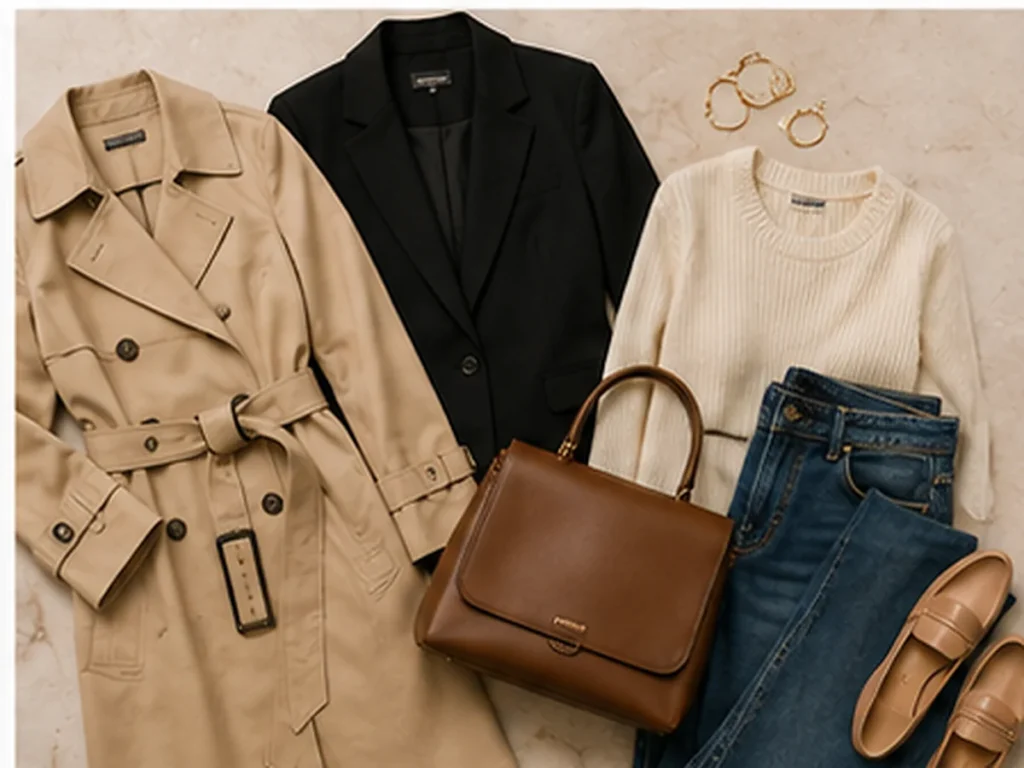
Replace worn-out basics one at a time with versions that have better fabric, shape, and fit.
9. Show Intentional Skin
A rolled sleeve, open neckline, ankle, or wrist can keep layered outfits from feeling visually heavy.
10. Choose Shoes That Update the Outfit
Loafers, sleek sneakers, simple ankle boots, or modern flats can shift the mood of clothes you already own.
11. Use a Belt Strategically
A belt can define the waist, break up a monochrome outfit, or add structure to a loose dress.
12. Repeat a Color
Pull one color from a print, bag, shoe, or accessory and repeat it once elsewhere in the outfit.
13. Let One Piece Lead
Choose one focal item—jacket, trousers, dress, bag, or shoe—and keep the rest of the outfit supportive.
14. Keep Jewelry Intentional
A few pieces that work together often look stronger than wearing every favorite item at once.
15. Try a Column of Color
Wear a top and bottom in a similar shade, then add a contrasting outer layer. The vertical line can make layering feel cleaner.
16. Tailor the Pieces You Wear Most
Small alterations to trousers, jackets, or dresses can make frequently worn clothes feel much more considered.
17. Use Texture Instead of Extra Color
Mix knit, denim, leather, suede, cotton, or satin when you want depth without a busy palette.
18. Choose Better Necklines
Notice which necklines work best with your proportions, jewelry, and preferred bras, then repeat those shapes.
19. Keep a Reliable Outfit Formula
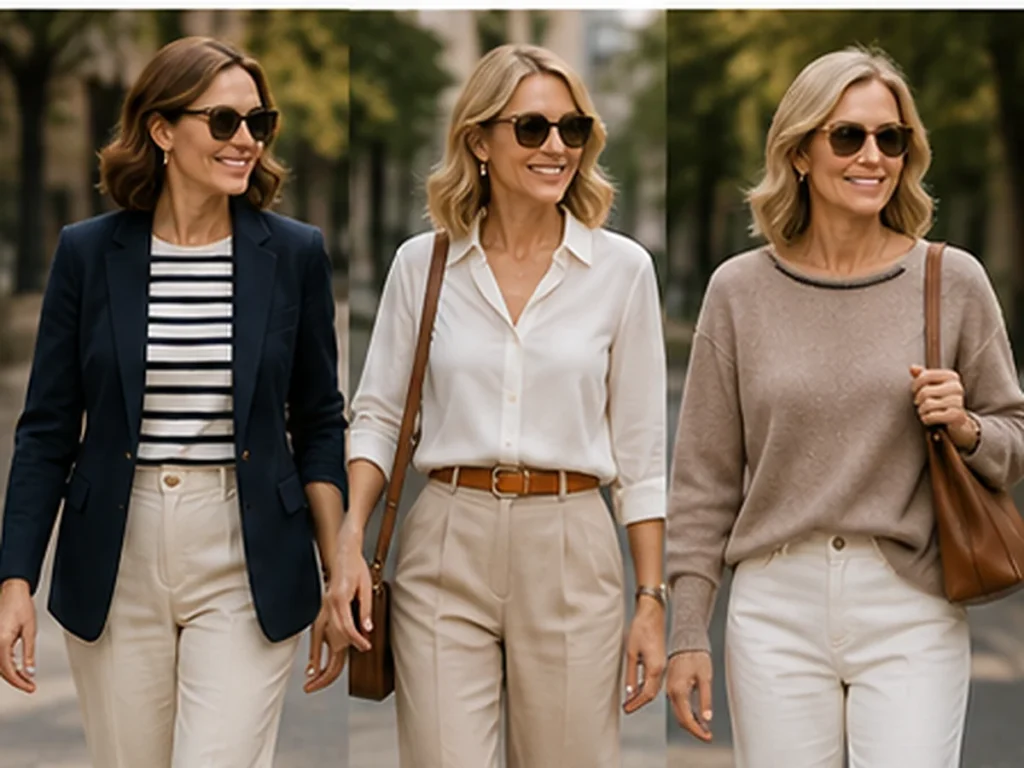
Having two or three combinations you know work saves time and makes getting dressed easier.
20. Try a Cropped Jacket
A jacket that ends near the waist can change the proportions of wide-leg trousers, skirts, and dresses.
21. Modernize With Accessories
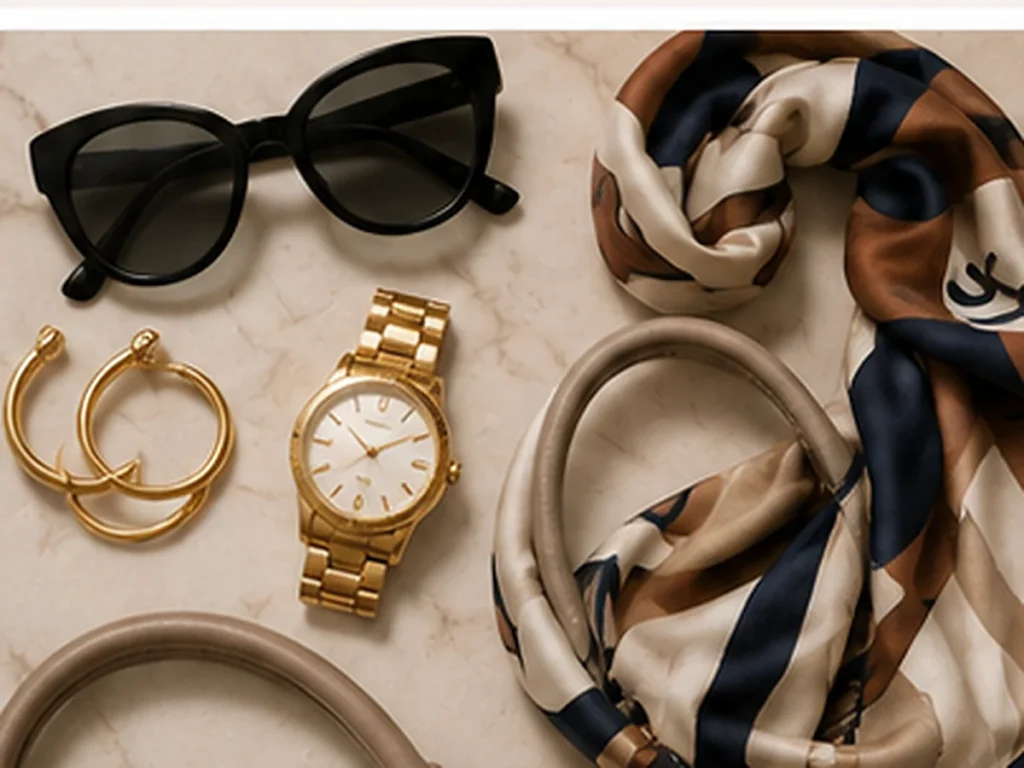
A current bag shape, sunglasses, belt, or shoe can refresh familiar clothes without rebuilding the entire wardrobe.
22. Use Prints Selectively
If a print feels busy, pair it with solid pieces pulled from the print's own colors.
23. Create Contrast
Combine soft and structured, dark and light, casual and polished, or fitted and relaxed pieces for a more intentional outfit.
24. Hem Trousers for Your Real Shoes
The same pair of trousers can look completely different when the length works properly with the shoes you actually wear.
25. Try Dark Denim Beyond Blue
Black, charcoal, ecru, and deep indigo can expand your denim options while staying easy to style.
26. Use a Third Piece
Adding a jacket, vest, overshirt, scarf, or cardigan often turns basics into an outfit.
27. Keep Proportions Visible
When wearing oversized layers, show enough shape through the waist, sleeves, neckline, or hem so the outfit still has structure.
28. Build Around Your Lifestyle
A useful wardrobe should reflect where you actually go—work, errands, dinners, travel, family events, or weekends.
29. Wear Color Near the Face
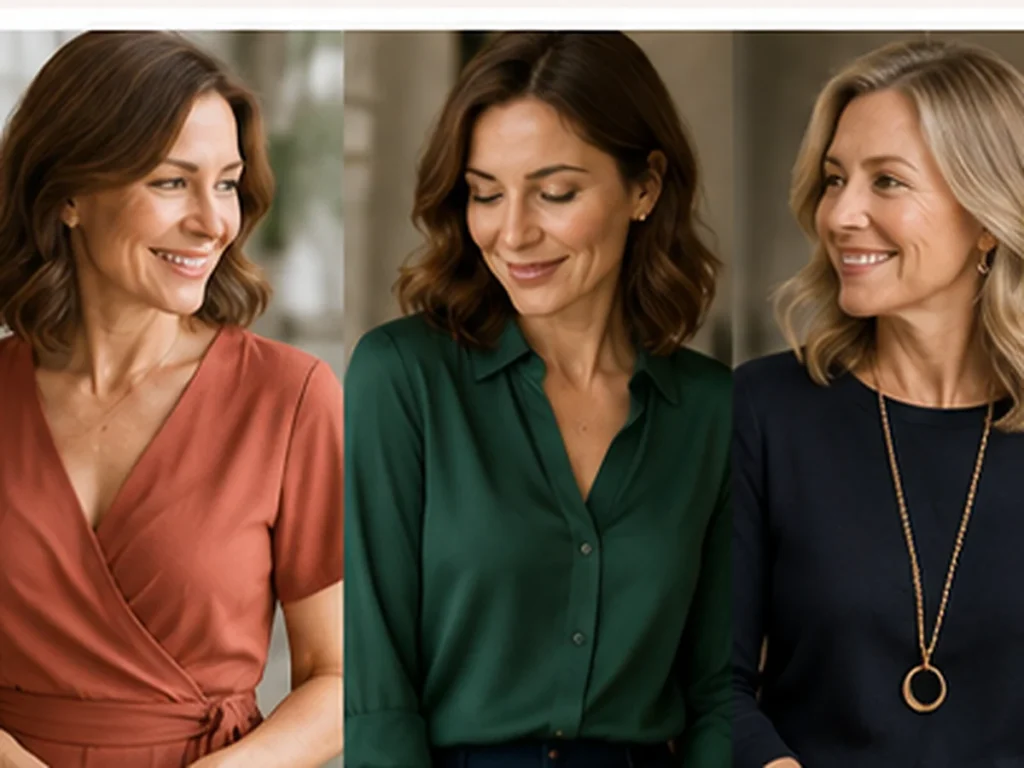
If you enjoy color, a blouse, scarf, earrings, or jacket can bring it close to the face without committing to a full bright outfit.
30. Avoid Keeping Clothes for a Fantasy Routine
If an item never fits your real life, it may be taking up space that could hold something more useful.
31. Use Better Undergarments
The right bra, camisole, slip, or smoothing layer can change the way a garment hangs without changing the garment itself.
32. Try Monochrome With Different Textures
An all-black, cream, navy, or brown outfit becomes more interesting when the fabrics have different surfaces.
33. Make Casual Look Intentional
Clean sneakers, good denim, a neat tee, and a structured layer can make a casual outfit feel deliberate.
34. Keep One Great Coat
A coat is often the first thing people see in cooler weather, so one reliable shape can carry many simple outfits.
35. Use Scale With Accessories
Choose bags, belts, and jewelry that feel proportionate to your frame and the volume of the clothing.
36. Try a Statement Earring
A strong earring can lift a simple outfit without requiring more layers or color.
37. Repeat Successful Silhouettes
When a trouser shape, dress cut, or jacket length consistently works, use it as a shopping shortcut.
38. Photograph Outfits You Love
A quick mirror photo helps you remember combinations that worked and makes future planning easier.
39. Edit Before Adding
If an outfit feels off, try removing one item before adding another. Simplifying often solves the problem.
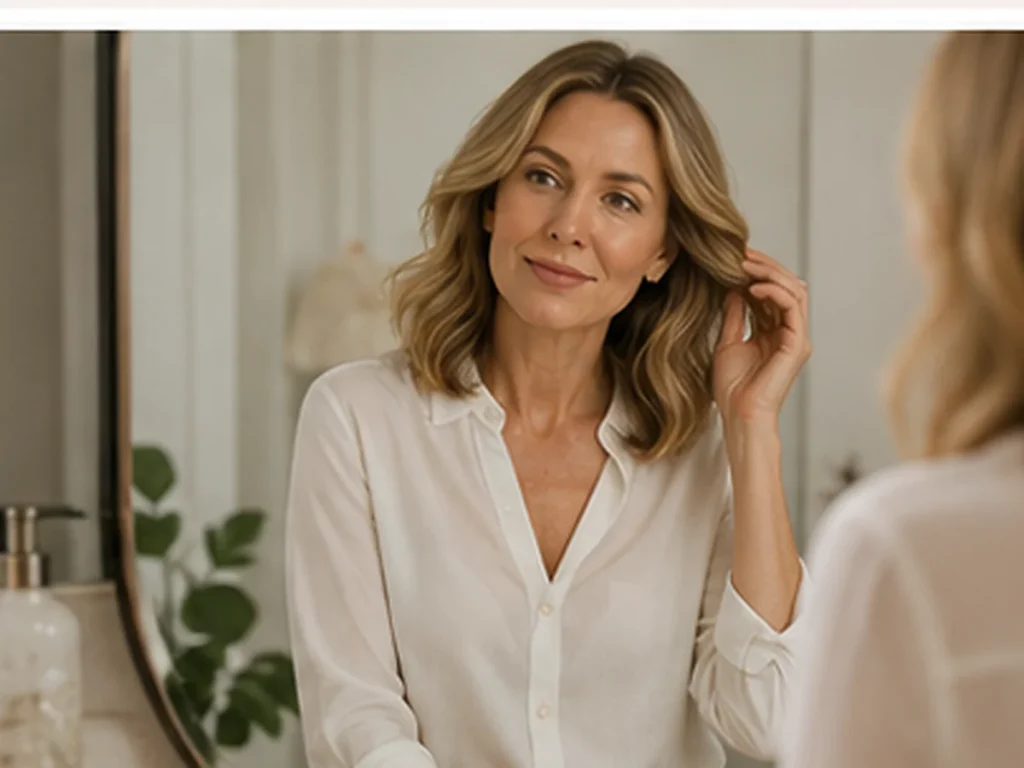
40. Dress for Yourself
The most modern-looking outfit is often the one you feel comfortable and confident wearing, because you move naturally in it.
A simple way to refresh your wardrobe
- Identify five outfits you already enjoy and note what they have in common.
- Replace only the weakest pieces first instead of buying an entirely new wardrobe.
- Choose two or three outfit formulas for busy days.
- Use accessories and shoes to test a newer direction before committing to expensive pieces.
Frequently asked questions
How can I update my style after 40?
Start with fit, proportions, shoes, and layering. Small changes to the pieces you wear most can have more impact than buying many trend items.
Do women over 40 need to avoid certain trends?
No. A trend is useful if it fits your personal style, comfort, and lifestyle. You can adapt trends through color, accessories, or one updated silhouette.
How do I make a simple outfit look polished?
Focus on fit, neat shoes, a clear color palette, one structured layer, and a few intentional accessories.
Final thoughts
Use these ideas as a starting point rather than a strict checklist. The best choice is the one that fits your preferences, routine, and personal style.
More from Fashion