
The hardest part of drawing is sometimes deciding what to draw. A simple subject removes that pressure and lets you focus on shape, line, proportion, and observation.
These prompts are intentionally approachable. You can sketch them from imagination, use an object in front of you, or find your own reference photo.
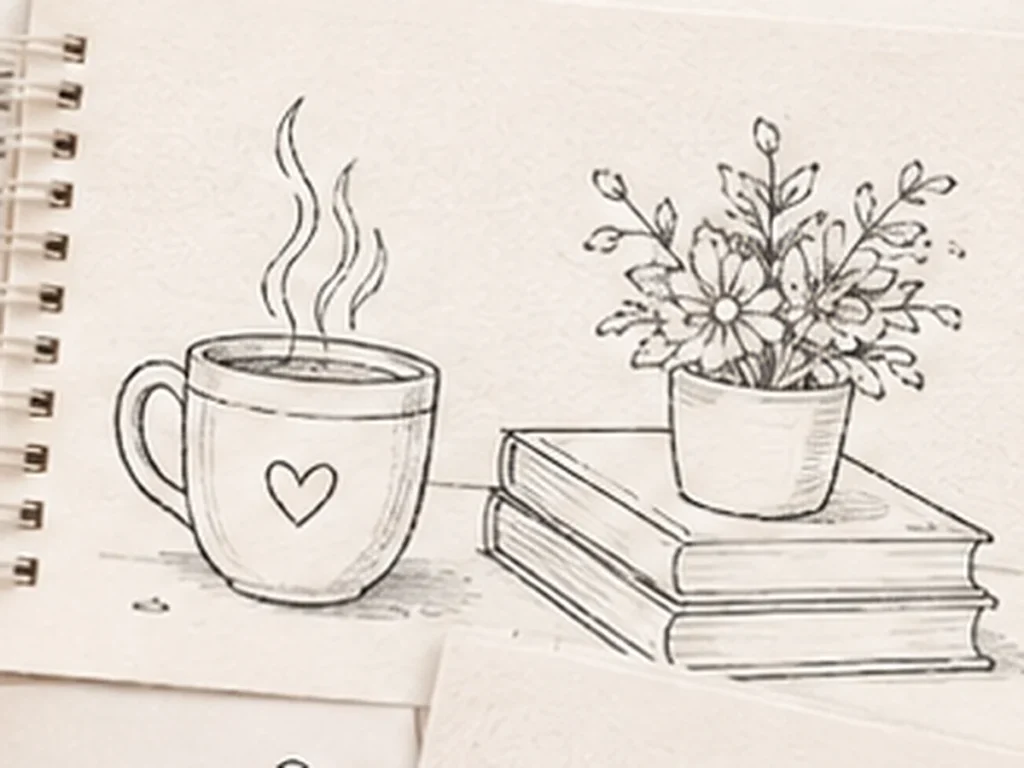
1. A Coffee Mug
Start with a simple oval for the rim, a cylinder for the body, and a curved handle. Add a shadow or steam if you want more detail.
2. A Houseplant
Draw the pot first, then add stems and leaves one at a time. Different leaf shapes make the sketch more interesting without making it much harder.
3. Clouds
Use loose overlapping curves rather than trying to make every cloud symmetrical.
4. A Simple House
Begin with a rectangle and triangle, then add windows, a door, roof details, or a small garden.
5. Three Pieces of Fruit
Place an apple, orange, or lemon together and focus on simple round forms and the spaces between them.
6. A Pair of Shoes
Shoes are good practice for proportion because they combine clear shapes with small details like laces and soles.
7. A Candle
Draw a cylinder, a small flame, and the lightest suggestion of melted wax.
8. A Tiny Landscape
Use three layers—foreground, middle ground, background—to create depth with only a few simple shapes.
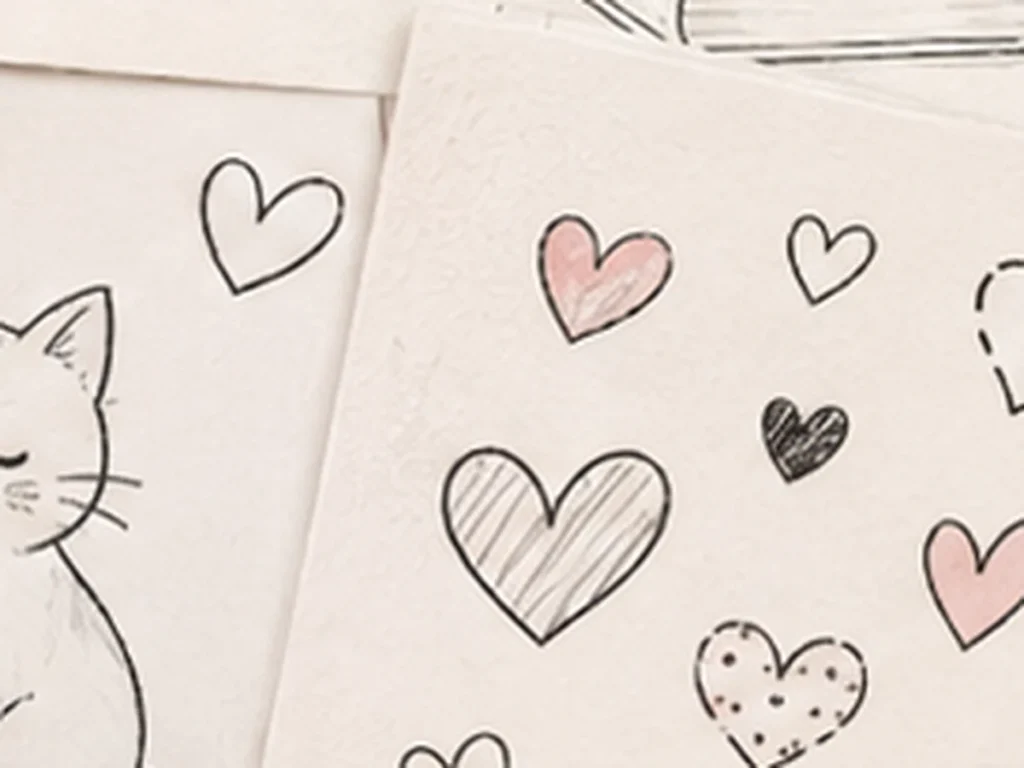
9. A Cat Face
Start with a circle or soft oval, then place the ears, eyes, nose, and whiskers using simple guides.
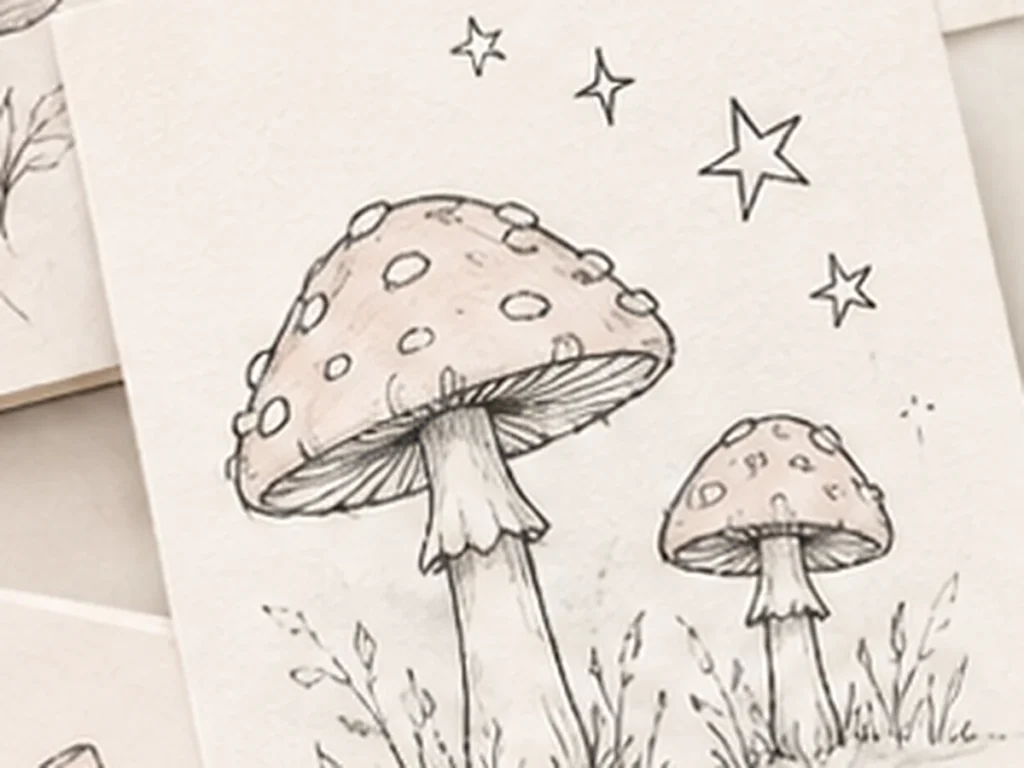
10. A Mushroom
A cap and stem are easy forms to practice, and you can make the design realistic or imaginative.
11. A Stack of Books
Use slightly offset rectangles and add a few spine details for character.
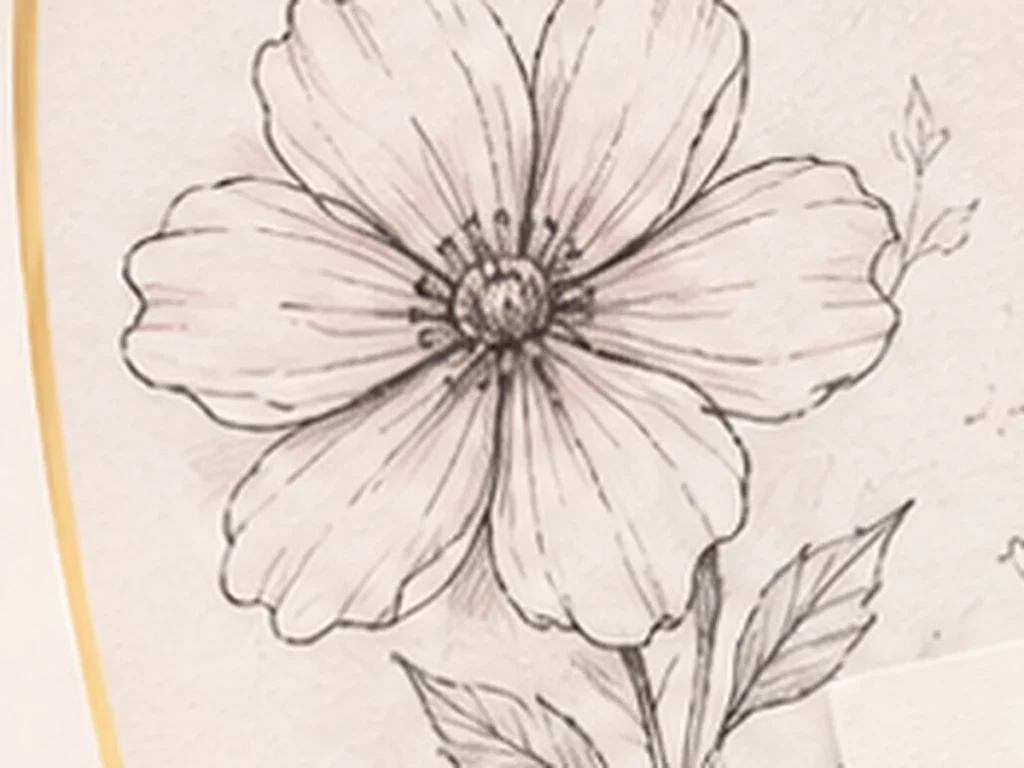
12. A Simple Flower
Draw the center first, then add petals around it. Repeat the flower at different angles for extra practice.
13. A Window View
Frame a small scene inside a rectangle: sky, tree, building, curtain, or whatever you can see.
14. Your Keys
Keys have interesting negative space and are a good exercise in observing small shapes.
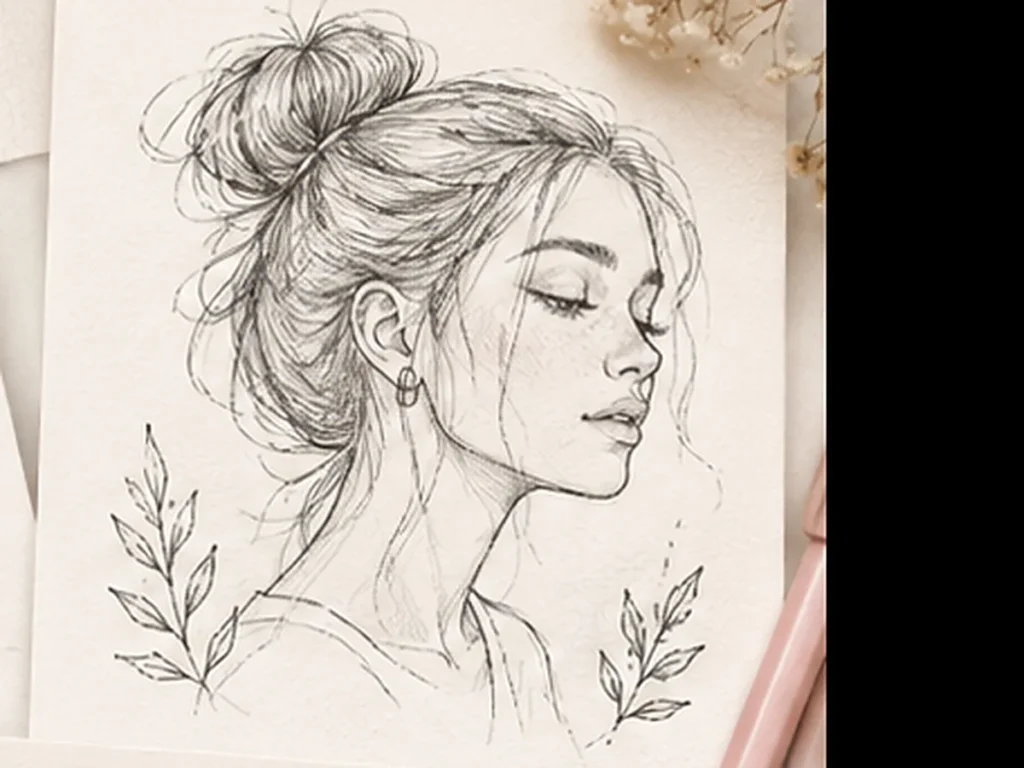
15. A Simple Face
Use basic guides for the eyes, nose, and mouth. Focus on placement before adding detail.
16. A Hand Holding Something
Use a simple object such as a cup or phone to give the hand a clear pose and purpose.
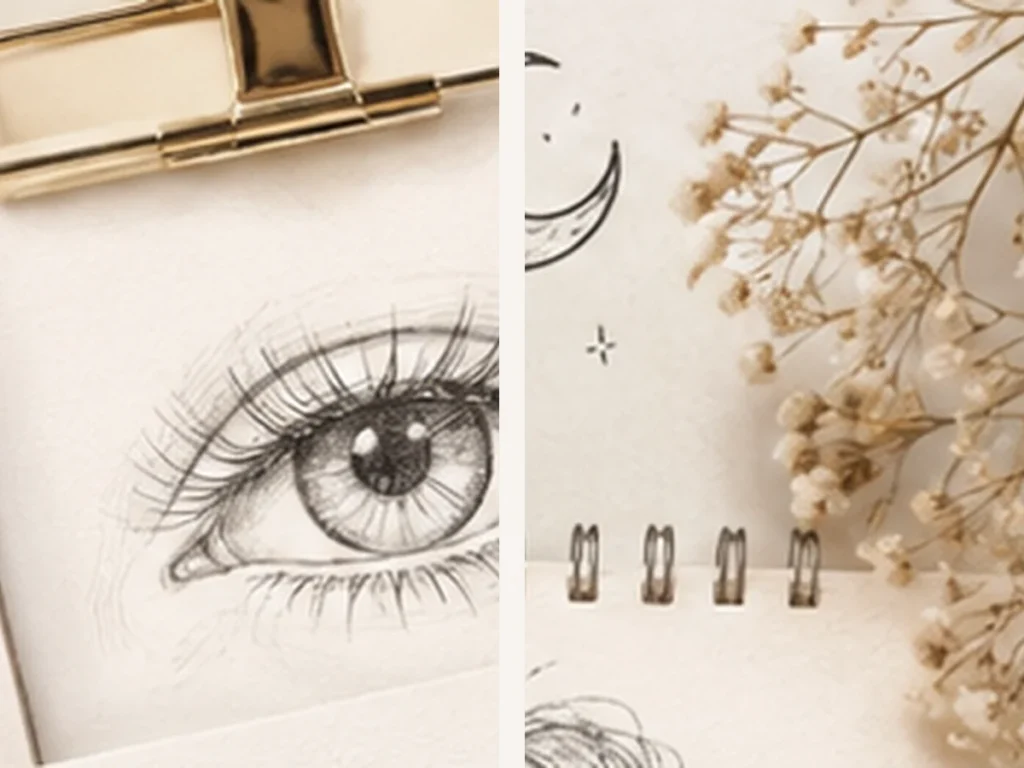
17. A Moon and Stars
Combine circles, crescents, dots, and simple star shapes into a decorative night-sky sketch.
18. A Chair
Choose a basic chair and break it into straight lines and simple planes before adding perspective.
19. A Bottle
Draw the center line first, then mirror the outer shape on each side to practice symmetry.
20. A Bicycle Silhouette
Start with two circles for the wheels and connect them with the simplest frame shapes.
21. A Pattern Page
Fill a page with dots, waves, grids, leaves, stars, or repeating shapes. This is useful when you want to draw without planning a subject.
22. A Street Corner
Use a few perspective lines to create a sidewalk, building edge, sign, or lamp post.
23. A Bird
Begin with an oval body and smaller head, then add wings, beak, legs, and tail.
24. A Backpack
Draw the main rounded rectangle, then add straps, pockets, zippers, and small personal details.
25. Your Desk
Sketch the objects already in front of you. The familiar scene becomes good practice for proportion and overlap.
How to make drawing practice easier
- Start with large simple shapes before adding small details.
- Use light guide lines and darken only the lines you want to keep.
- Draw the same subject more than once instead of expecting the first attempt to be perfect.
- Choose subjects from your real environment when you want practice that does not require searching for references.
Frequently asked questions
What should a beginner draw first?
Simple everyday objects such as mugs, plants, fruit, books, bottles, and basic landscapes are good starting points because their shapes are easy to break down.
How can I improve drawing faster?
Frequent short practice, careful observation, and repeating the same subject can be more useful than trying a completely new complex drawing every time.
Do I need expensive supplies?
No. A pencil, eraser, and ordinary paper are enough for most beginner drawing exercises.
Final thoughts
Use these ideas as a starting point rather than a strict checklist. The best choice is the one that fits your preferences, routine, and personal style.
More ideas to explore